Shyam
Shyam
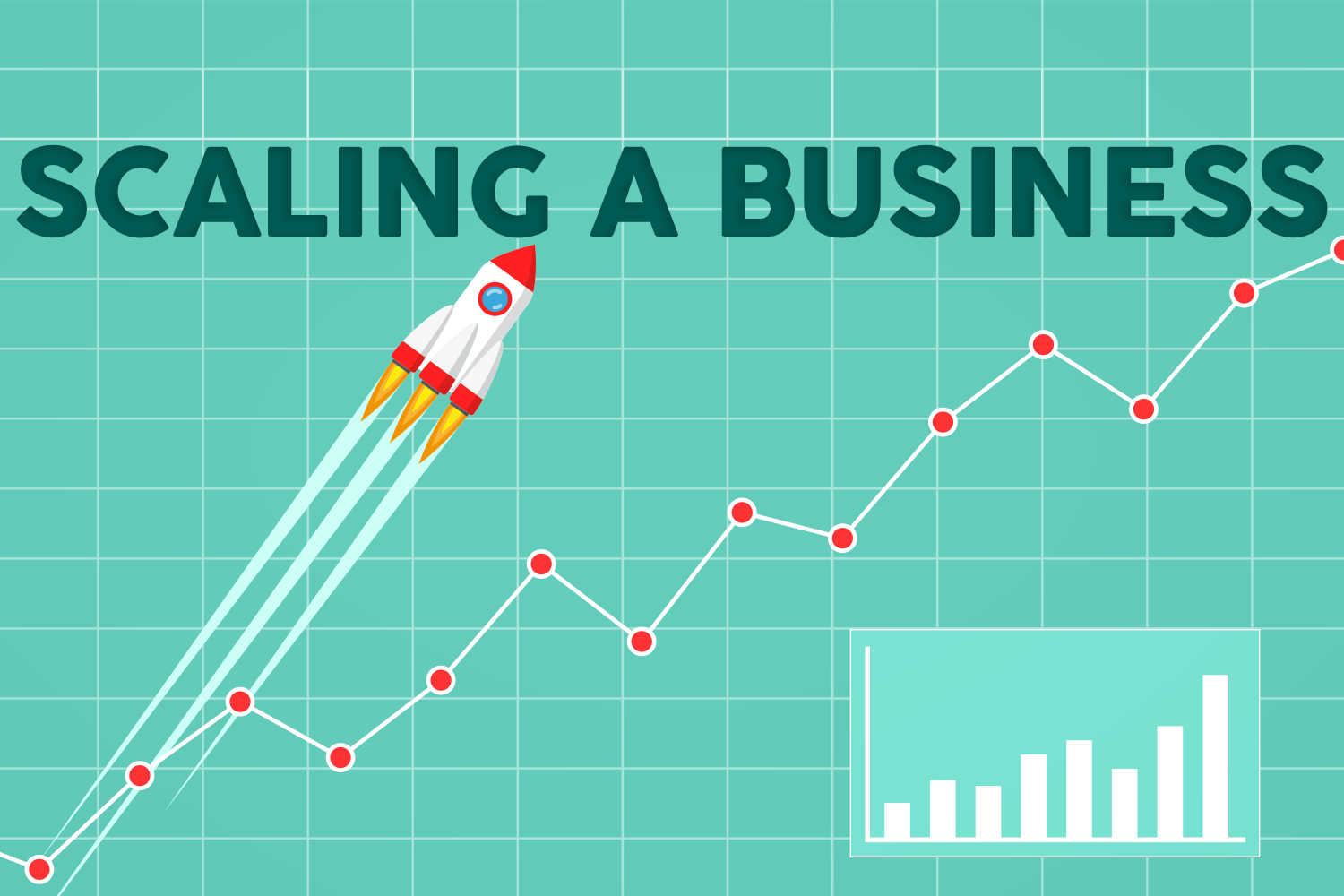
Business growth and scaling are two terms often used interchangeably, but they represent different stages of a company’s evolution. Growth refers to increasing revenue, customers, or market presence through additional resources. Scaling, on the other hand, focuses on expanding operations without a proportional increase in costs. In simple terms, growth adds size, while scaling adds efficiency. Both are essential for building a long-lasting, competitive business.
The first step in scaling a business is establishing a strong foundation. A company must have a clear value proposition, a proven business model, and consistent demand for its product or service. Without these fundamentals, expansion can lead to operational stress and reduced quality. Before scaling, businesses should evaluate their processes, technology, team capabilities, and financial health to identify bottlenecks or weaknesses that could hinder progress.
Customer acquisition plays a central role in business growth. Companies must develop effective marketing strategies that attract qualified leads and convert them into loyal customers. This may include digital advertising, content marketing, partnerships, or referral programs. Understanding customer behavior and market trends helps businesses refine their messaging and optimize their sales funnel. Strong branding and customer trust are also vital, as they increase conversion rates and long-term engagement.
Once a business has consistent demand, it can focus on optimizing operations. Streamlining workflows, improving supply chains, and integrating automation can significantly boost efficiency. Technology is a key enabler in this stage. Tools such as customer relationship management (CRM) systems, enterprise resource planning (ERP) software, and automation platforms help reduce manual tasks and ensure smoother operations. Keeping processes lean allows a business to handle larger volumes without proportionally increasing costs.
Talent and leadership are critical to scaling. A strong team with clear responsibilities enables a business to expand without losing control. Leaders must delegate effectively and foster a culture of accountability and innovation. Hiring the right people at the right time ensures continuity, supports strategic goals, and maintains service quality. Businesses should also invest in training and development to keep their teams aligned with changing needs and industry advancements.
Financial management is another pillar of successful scaling. As businesses grow, cash flow becomes more complex. Companies must monitor expenses, manage debt, and reinvest profits strategically. Forecasting tools and financial analytics provide insights into future needs and potential risks. A healthy cash position allows businesses to seize expansion opportunities, whether through new product lines, additional locations, or larger marketing campaigns.
Customer experience remains one of the strongest competitive advantages during scaling. As volume increases, maintaining personalized service becomes more challenging. Businesses must ensure consistent quality by implementing feedback systems, monitoring customer satisfaction, and addressing issues promptly. A loyal customer base not only generates repeat business but also supports growth through positive reviews and referrals.
In the long term, scalable businesses are those that adapt quickly to change. Market conditions evolve, competitors emerge, and customer expectations shift. Successful companies remain flexible, test new ideas, and embrace innovation to stay ahead. Whether expanding into new markets or diversifying product offerings, strategic planning and continuous improvement drive sustainable growth.