Shyam
Shyam
Investing is the most powerful tool for building wealth over the long term. Whether you’re setting aside a small monthly amount or planning to invest a lump sum, the key is to make thoughtful decisions that match your goals, timeline, and risk tolerance. This article walks through practical steps to help beginners start investing with confidence.
Start with clear goals. Define why you are investing: retirement, a home purchase, education, or financial independence. Assign a time horizon to each goal — short-term (under 3 years), medium-term (3–10 years), or long-term (10+ years). Your goals will determine the kinds of investments that suit you. Short-term goals typically require safer, more liquid options, while long-term goals can tolerate more volatility in exchange for higher potential returns.
Understand your risk tolerance. Every investment carries risk, and markets can be unpredictable. Assess how much volatility you can tolerate without selling in a panic. Younger investors often have a higher risk capacity because they have more time to recover from downturns, while investors nearing retirement usually prefer preservation of capital.
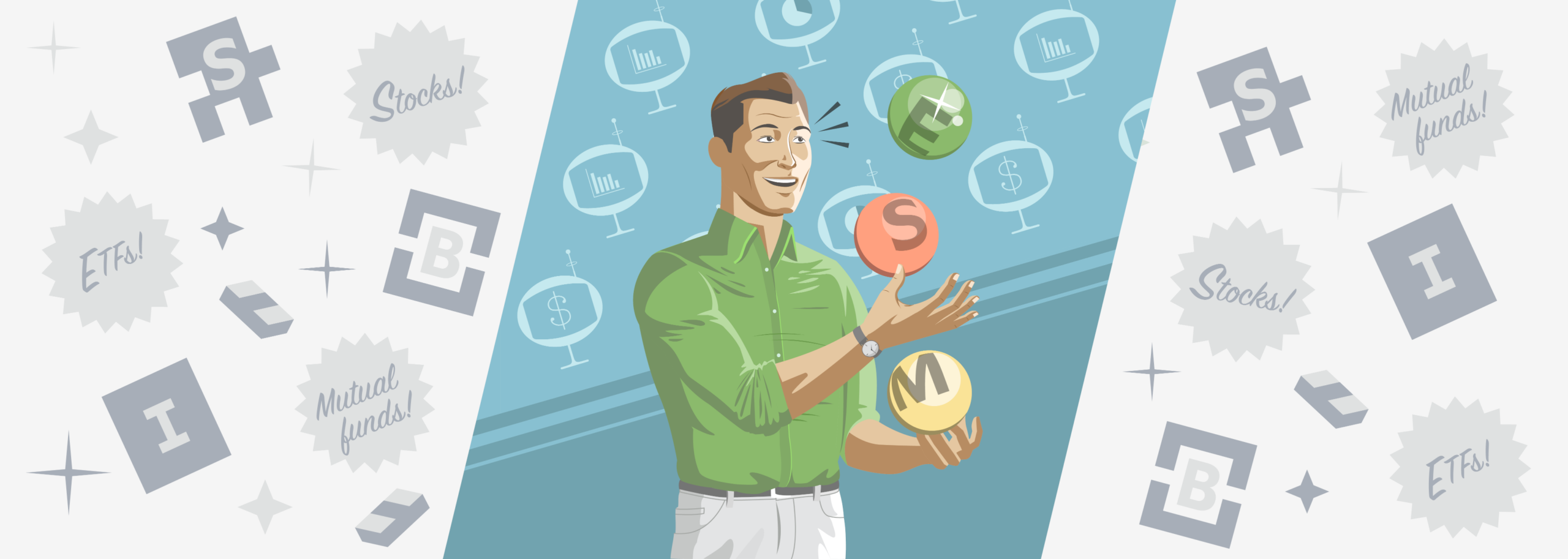
Diversify your portfolio. “Don’t put all your eggs in one basket” is a timeless rule. Diversification reduces the impact of a single underperforming asset. Build a mix of asset classes such as stocks, bonds, and cash. Within stocks, diversify across sectors and geographies. If diversification feels complicated, consider low-cost index funds or exchange-traded funds (ETFs) that provide broad market exposure in one purchase.
Keep costs low. Fees and taxes can erode returns over time. Prefer investment vehicles with low expense ratios, such as index funds or ETFs, and be mindful of trading fees and account maintenance charges. Tax-efficient accounts — like retirement accounts or tax-advantaged savings plans available in your country — can meaningfully boost long-term results.
Adopt a long-term mindset. Short-term market movements are noisy and unpredictable. A disciplined, long-term approach typically outperforms attempts to time the market. Regular contributions through dollar-cost averaging — investing a fixed amount at regular intervals — can reduce the impact of market volatility and remove the stress of trying to pick entry points.
Educate yourself continuously. Basic financial literacy pays dividends. Learn the difference between stocks and bonds, growth and value investing, active and passive management, and the role of inflation. Read reputable books, follow reliable financial news sources, and consider taking courses or attending workshops to deepen your understanding.
Avoid emotional trading. Emotional reactions to market swings often lead to poor decisions: buying high out of enthusiasm or selling low out of fear. Build a written investment plan and review it periodically. Make changes only when your goals, timeframe, or risk tolerance change — not because of headlines or short-term market noise.
Consider professional help when needed. If your financial situation is complex or you’re unsure about constructing a portfolio, a fee-only financial advisor can provide personalized guidance. Choose advisors who are fiduciaries and transparent about their fees.
Investing is a journey, not a sprint. Start with a clear plan, focus on diversification, control costs, and stay committed to long-term goals. Over time, disciplined investing can transform modest savings into meaningful wealth.